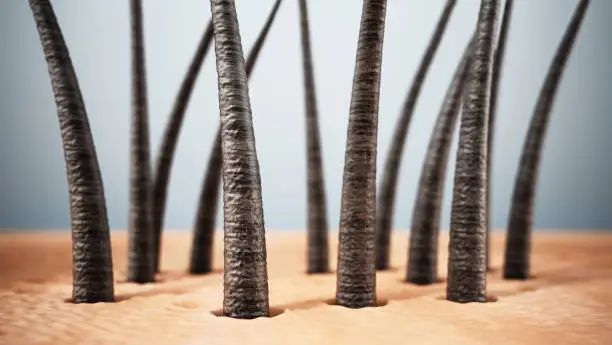
Microscopic hair inspection involves examining hair samples under a microscope to study their structure, origin, and condition. This technique is widely used in forensic science to compare unknown and known hair samples, helping to establish connections in investigations. In the medical field, it helps detect scalp disorders, hair diseases, and structural abnormalities that are not visible to the naked eye.
By analyzing hair at a microscopic level, experts can gather information about its growth stage, pigment patterns, root and tip characteristics, and any external contaminants. While it provides valuable insights for both forensic and health purposes, the method has limitations. It cannot definitively identify individuals and can sometimes yield subjective results, making DNA testing a more reliable tool when available.
Forensic Applications
Medical Insights
Detecting Infections and Disorders
Limitations of Microscopy